It’s time to make a plan for nuclear waste

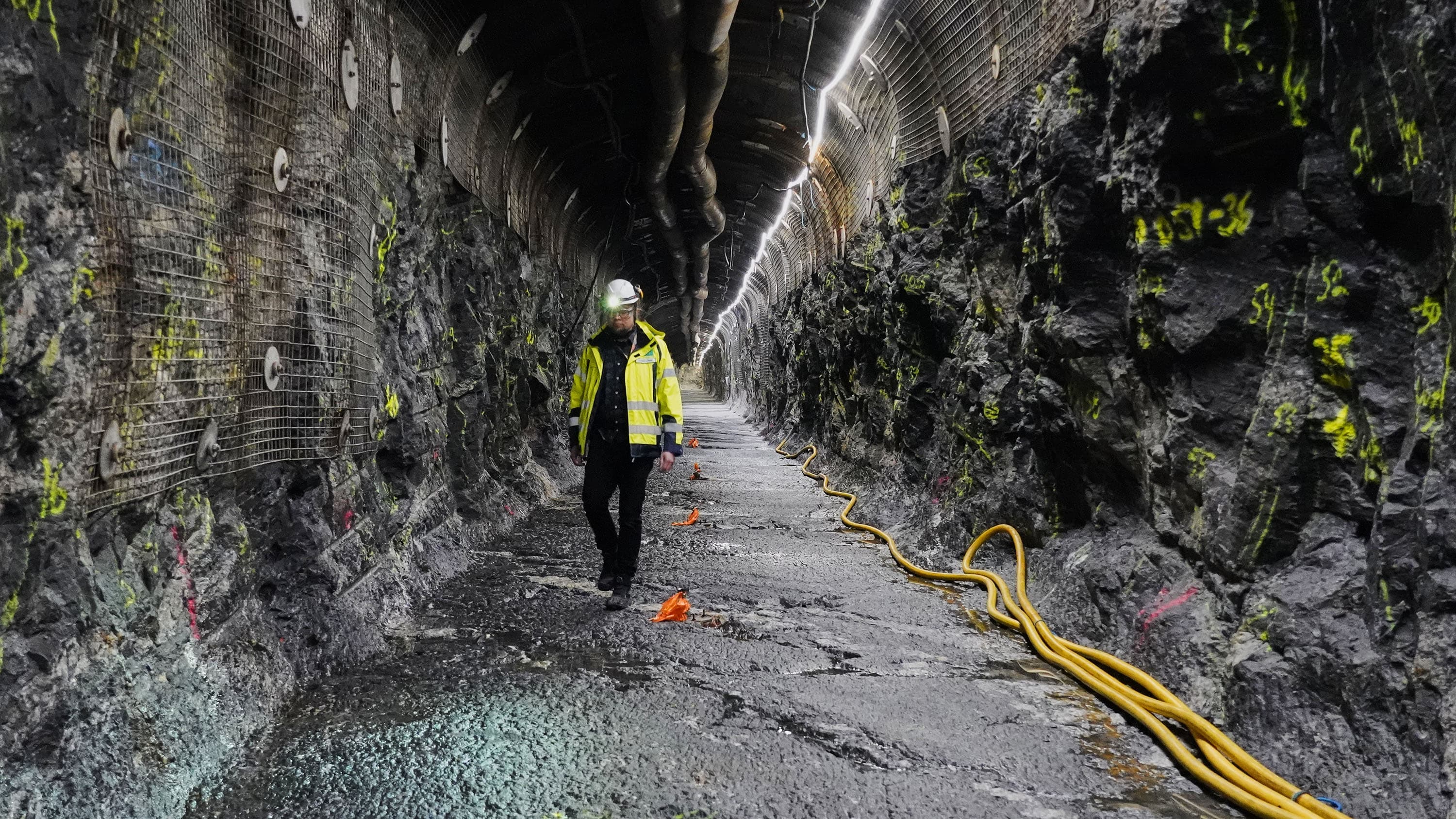
It’s time to make a plan for nuclear waste With growing interest in nuclear power, handling waste should be part of the deal. Today, nuclear energy enjoys a rare moment of support across the political spectrum in the US. Interest from tech companies that are scrambling to meet demand for massive data centers has sparked a resurgence of money and attention in the industry. That newfound interest is exactly why it’s time to talk about an old problem: nuclear waste. In the US alone, nuclear reactors produce about 2,000 metric tons of high-level waste each year. And there’s nowhere to put it. Though newly popular, the nuclear program in the US is nothing new. The US hosts more reactors and production capacity than any other country in the world. And yet nearly seven decades after the first permanent nuclear facility in the US went online, there’s still not a long-term solution for nuclear waste. Used fuel is largely stored onsite at operating and shut-down reactors, in pools and casks made of steel and concrete. Experts generally agree that these methods are safe, but they’re not designed to be permanent. The leading strategy around the world for long-term storage of this high-level radioactive waste is to house it in a deep geological repository—dig a hole, put radioactive material down there, and fill it up with concrete. These holes, hundreds of meters underground, are designed to be a permanent home. There aren’t any operating geological repositories for spent fuel yet, but some countries are well on their way. Finland is the furthest along; as of 2026, the country is testing its facility. Final approvals are expected soon, and operations could start later this year. Some other countries aren’t far behind. France is home to over 50 nuclear reactors, and its grid gets more of its power from nuclear than any other. The country also has the world’s most established program for reprocessing spent fuel. The process separates out the plutonium and uranium to create a type of fuel known as mixed oxide (MOX) fuel. But reprocessing isn’t a perfect recycling loop, so the leftovers from this process still need somewhere to go. The country currently stores waste onsite at the La Hague reprocessing plant, but it plans to build a repository. Initial approvals could come later this decade, and pilot operations could start up by 2035. Technically, the US also has a destination for its spent fuel: Yucca Mountain in Nevada. The site, which is on federal land, was designated by Congress in 1987. However, progress has entirely stalled out because of political opposition. In 2011, the federal government stopped providing funding for the site, and for roughly a decade, there’s been no activity to speak of. In the meantime, waste continues to pile up. The nuclear industry is kicking into a new gear around the world. China is home to the world’s fastest--growing nuclear energy program, and countries including Bangladesh and Turkey are building their first reactors. Even the long-established US…