24/7 Simulation Loops: How Agentic AI Keeps Subsurface Engineering Moving
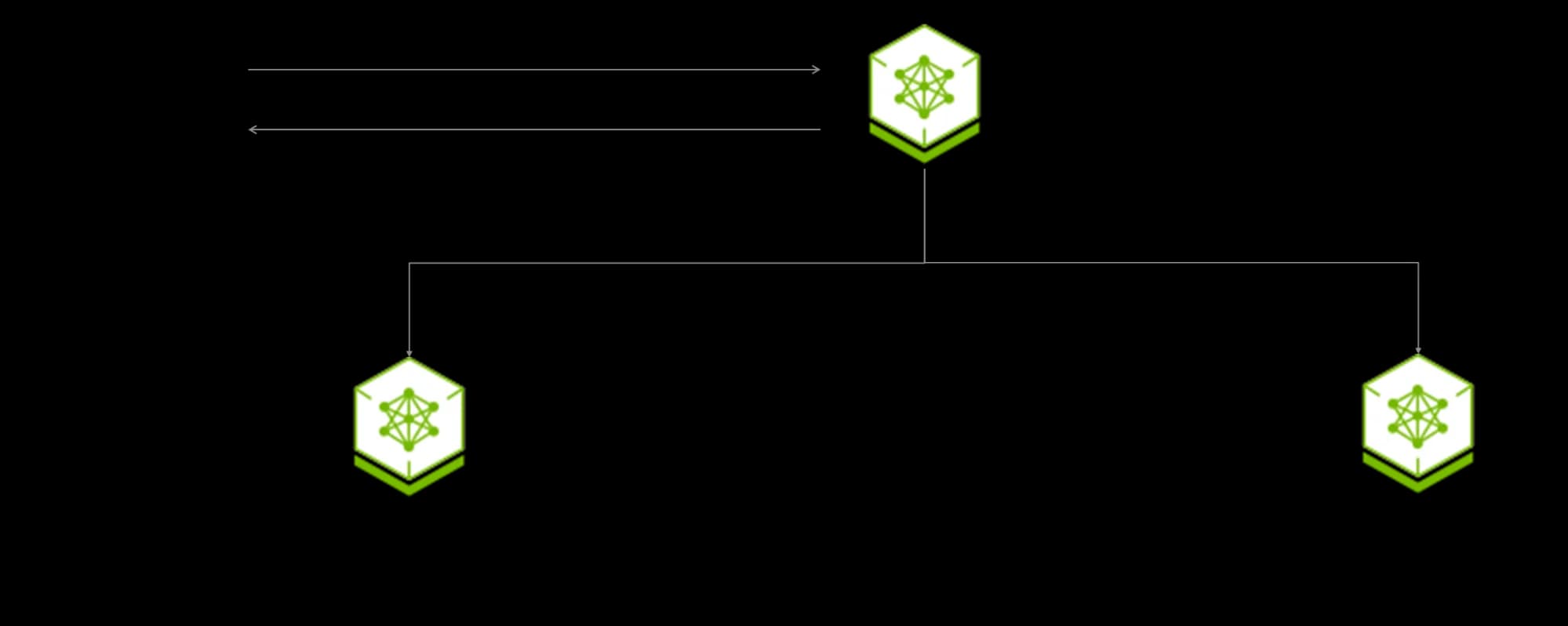
The subsurface industry is at a critical point in its digital evolution. For decades, unlocking reservoir potential has relied on experts performing essential and time-intensive manual workflows. As data complexity grows, the gap between machine speed and human bandwidth has become a primary bottleneck. On-demand simulation workflows are currently hampered by both manual data overhead and inherent operational latency. The need for engineers to manually aggregate, synthesize, and translate disparate technical materials creates significant knowledge consolidation bottlenecks that stretch project cycles. This is further compounded by the asynchronous nature of simulation jobs; when simulations finish or fail during off-hours or while engineers are juggling competing priorities, dead time accumulates. Consequently, what should be a standard 24-hour turnaround often spirals into a multi-day delay, stalling progress across global teams. In this post, we explain how applying agentic AI on top of the NVIDIA full-stack accelerated computing platform transforms manual, expert-limited workflows into always-on, compute-driven simulation workflows across subsurface engineering and beyond. The agentic shift Agentic AI transforms this landscape by offloading repetitive technical hurdles, allowing engineers to move beyond good enough results to explore a wider solution space and drive higher asset value. In this paradigm, the engineer shifts to a strategic supervisory role—remaining in the loop for high-level direction while agents handle execution. This post demonstrates how to build such a system. While our examples focus on subsurface simulation, the framework is tool-agnostic and applicable to any industry reliant on complex simulation workflows. This master architecture shown in Figure 1, below, integrates a central orchestration agent with specialized agents designed for simulator interaction and workflow management. The reservoir simulation assistant: Accelerating daily workflows The reservoir simulation assistant acts as a digital domain expert bridging the gap between the engineer, technical documentation, and the simulator. It serves as a complementary fast-track, working alongside your existing modeling environment to handle repetitive tasks and technical hurdles. Key takeaways The reservoir simulation assistant is designed to augment, not replace, the established tools of the trade. By offloading the administrative portion of the simulation loop, engineers can reclaim significant bandwidth: - Instant interaction: Whether you prefer navigating through nested menus or executing commands via a terminal, the agent replaces tedious file-hunting with instant results. From launching a run by dragging a simulation deck to the chat, to asking, “What is the skin factor for Well-X?,” the system handles the manual lookups and deck setups in seconds. - Rapid Analysis: The agent goes beyond plotting time series curves to provide quick diagnostics. It can instantly answer complex questions, including “Why am I seeing an early water breakthrough at Well-X?” It would normally require hours of manual cross-referencing. - Frictionless “what-if” iteration: Execute agile scenario testing without the syntax headaches. The agent handles tedious keyword editing and baseline comparisons, while its self-healing logic proactively fixes convergence issues and input errors, with an optional human-in-the-loop, to keep simulations running 24/7. Ultimately, this personal agent transforms a multi-step manual administrative process into a single, natural conversation. While our demo…