Thinking about High-Quality Human Data
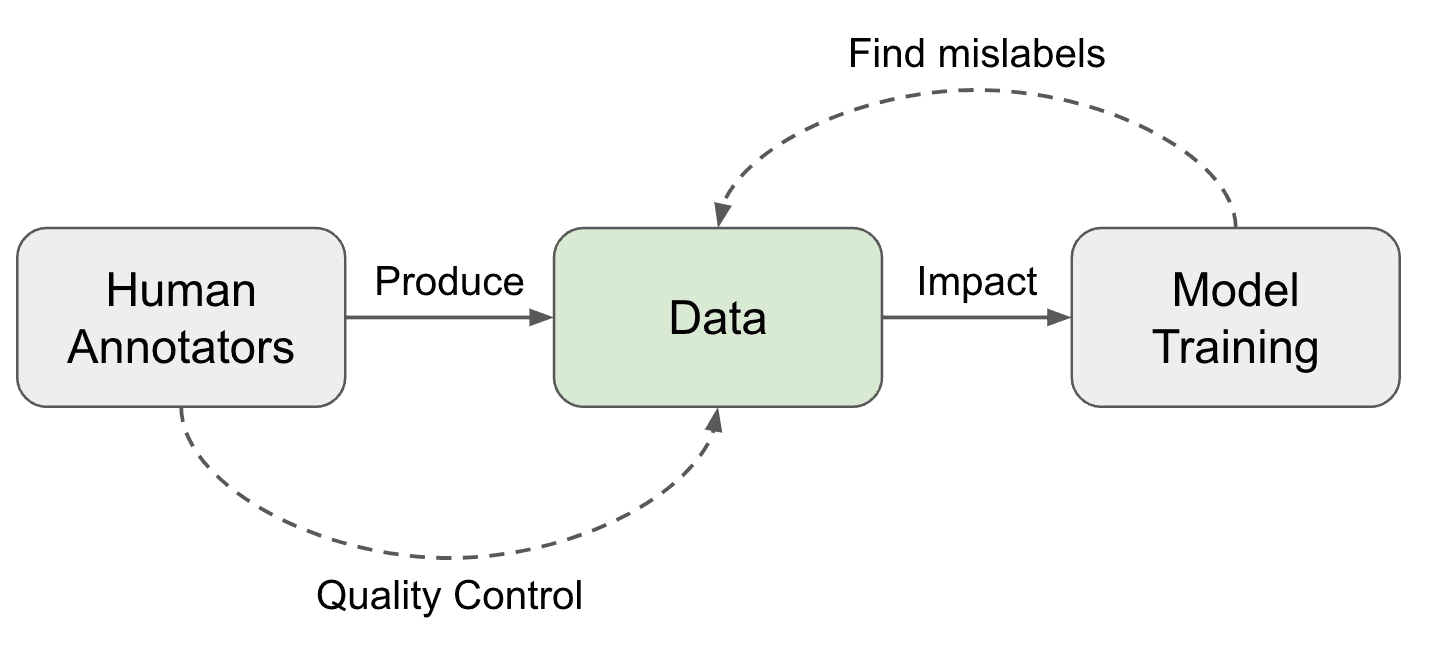
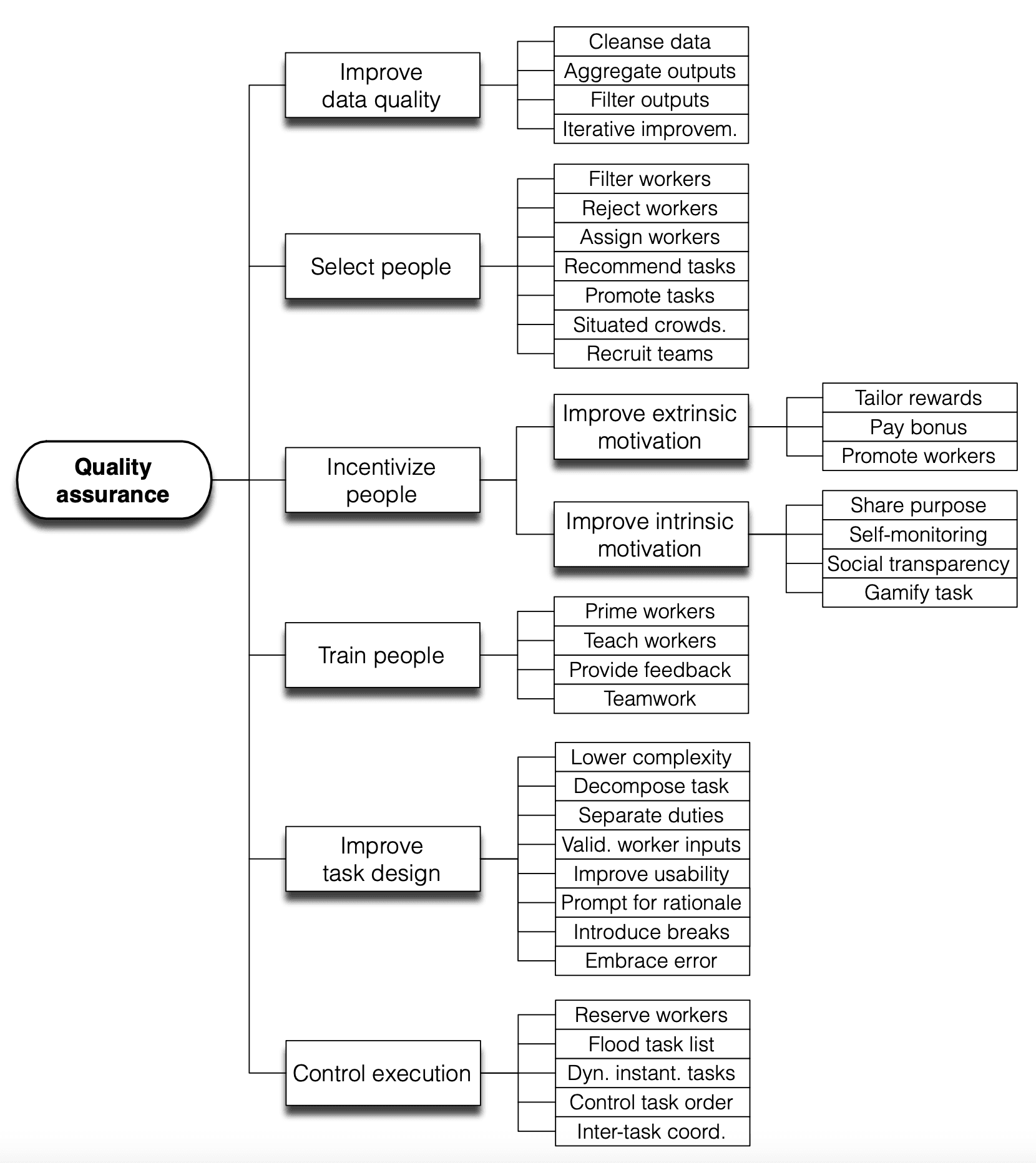
[Special thank you to Ian Kivlichan for many useful pointers (E.g. the 100+ year old Nature paper “Vox populi”) and nice feedback. 🙏 ] High-quality data is the fuel for modern data deep learning model training. Most of the task-specific labeled data comes from human annotation, such as classification task or RLHF labeling (which can be constructed as classification format) for LLM alignment training. Lots of ML techniques in the post can help with data quality, but fundamentally human data collection involves attention to details and careful execution. The community knows the value of high quality data, but somehow we have this subtle impression that “Everyone wants to do the model work, not the data work” (Sambasivan et al. 2021). Human Raters ↔ Data Quality Collecting human data involve a set of operation steps and every step contributes to the data quality: - Task design: Design task workflow to improve clarity and reduce complexity. Detailed guidelines are helpful but very long and complicated guidelines demand a decent amount of training to be useful. - Select and train a pool of raters: Select annotators with matched skillset and consistency. Training sessions are necessary. After onboarding, regular feedback and calibration sessions are also needed. - Collect and aggregate data. This is the stage where more ML techniques can be applied to clean, filter and smartly aggregate data to identify the true labels. The Wisdom of the Crowd Vox populi (originally “Vox populi, vox Dei”), a Latin phrase, means the voice of people. A short paper named was the same name was published in 1907 on Nature. It tracked an event at an annual exhibition where a fat ox was selected and people would guess the weight of the ox in order to win a prize if the guess is close to the real number. The middlemost estimate was treated as “the vox populi” and ended up being very close to the true value. The author concluded “This result is, I think, more creditable to the trustworthiness of a democratic judgment than might have been expected.” This is probably the earliest mention of how crowdsourcing (“the wisdom of the crowd”) would work out. Almost 100 years later, Callison-Burch (2009) did an early study on using Amazon Mechanical Turk (AMT) to run non-expert human evaluation on Machine Translation (MT) tasks and even to rely on non-experts to create new gold reference translations. The setup for human evaluation was simple: Each turker is shown a source sentence, a reference translation, and 5 translations from 5 MT systems. They are asked to rank 5 translations from best to worst. Each task is completed by 5 turkers. Unsurprisingly, there are spammers producing low quality annotation to only optimize the volume. So when measuring the agreement between experts and non-experts, different weighting schemes need to be applied to downweight the contribution of spammers: (1) “weighted by experts”: using agreement rate with experts on a gold set of 10 examples; (2) “weighted by non-experts”: relying on agreement rate with…