Musk v. Altman week 1: Elon Musk says he was duped, warns AI could kill us all, and admits that xAI distills OpenAI’s models

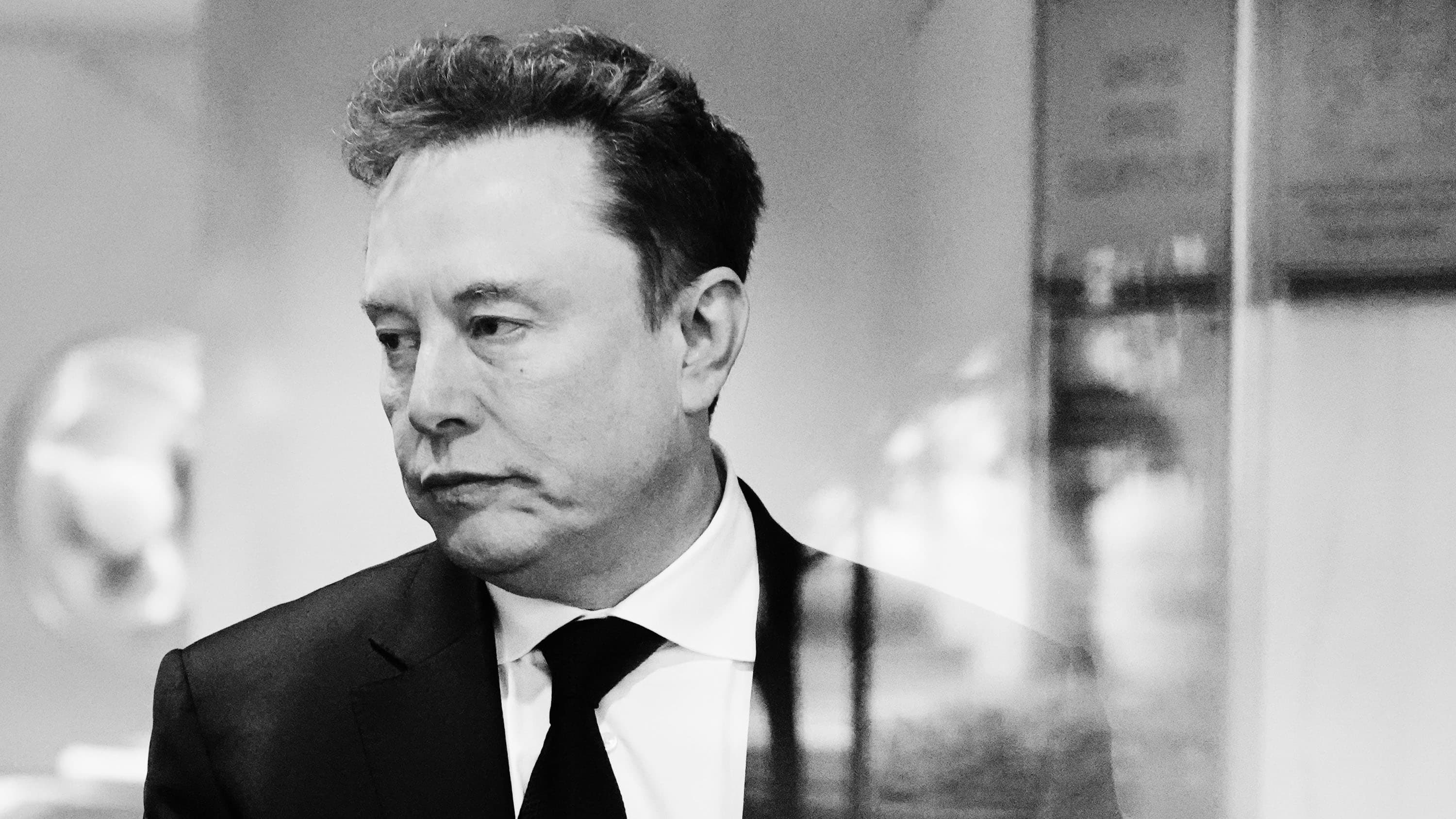
Musk v. Altman week 1: Elon Musk says he was duped, warns AI could kill us all, and admits that xAI distills OpenAI’s models Musk kept his cool, and OpenAI’s lawyer bulldozed him with piercing questions about his motivations for suing the company. In the first week of the landmark trial between Elon Musk and OpenAI, Musk took the stand in a crisp black suit and tie and argued that OpenAI CEO Sam Altman and president Greg Brockman had deceived him into bankrolling the company. Along the way, he warned that AI could destroy us all and sat through revelations that he had poached OpenAI employees for his own companies. He even confessed, to some audible gasps in the courtroom, that his own AI company, xAI, which makes the chatbot Grok, uses OpenAI’s models to train its own. The federal courthouse in Oakland, California, was packed with armies of lawyers carrying boxes of exhibits, journalists typing away at their laptops, and a handful of concerned OpenAI employees. Outside, protesters lined the streets, carrying signs urging people to quit ChatGPT, boycott Tesla, or both. Musk looked calm and comfortable, slipping in the occasional quip in his distinct South African accent. But he also was full of remorse. “I was a fool who provided them free funding to create a startup,” Musk told the jury. He said when he cofounded OpenAI in 2015 with Altman and Brockman, he was donating to a nonprofit developing AI for the benefit of humanity, not to make the executives rich. “I gave them $38 million of essentially free funding, which they then used to create what would become an $800 billion company,” he said. Musk is asking the court to remove Altman and Brockman from their roles and to unwind the restructuring that allowed OpenAI to operate a for-profit subsidiary. The outcome of the trial could upend OpenAI’s race toward an IPO at a valuation approaching $1 trillion. Meanwhile, xAI is expected to go public as a part of Musk’s rocket company SpaceX as early as June, at a target valuation of $1.75 trillion. This week’s testimony revolved around a central question of the trial: why Musk is suing OpenAI. Musk argued he was trying to save OpenAI’s mission to develop AI safely by restoring the company to its original nonprofit structure. OpenAI’s lawyer, William Savitt, who once represented Musk and his electric-car company Tesla, countered that Musk was “never committed to OpenAI being a nonprofit” and instead was suing to undermine his competitor. Who is the steward of AI safety? During his direct examination early in the week, Musk painted himself as a longtime advocate of AI safety. He said he cofounded OpenAI to create a “counterbalance to Google,” which was leading the AI race at the time. He said that when he asked Google cofounder Larry Page what happens if AI tries to wipe out humanity, Page told him, “That will be fine as long as artificial intelligence survives.” “The worst-case scenario is a…